CUSD works to overcome chronic absenteeism
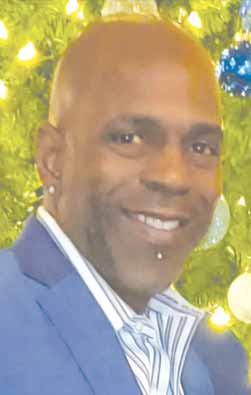
ROMAN THOMAS


A student’s growth in learning is negatively affected by being absent from school.
Research has demonstrated the truly negative effect of student absenteeism.
By sixth grade, chronic absence becomes a leading indicator that a student will drop out of high school.
Missing 10% of the school year, or about 18 days (just two days a month) is considered chronic absenteeism.
Data show students in lower socio-economic neighborhoods are four times more likely to be chronically absent than others – often for reasons beyond their control, such as unstable housing, unreliable transportation and a lack of access to health care.
In addressing chronic absenteeism, experience reveals that a positive approach using incentives and friendly assistance is more productive than punishment (thinktruancy officers knocking at your door).
A local example of this positive approach can be found at Willis Junio High School in Chandler Unified School District, where Roman Thomas is the student attendance officer. Thomas has 23 years’ experience in CUSD, seven in campus security and the last 16 as an attendance officer.
His experience has proven that many absences are due to circumstances beyond the student’s control.
For example, a student lives in a single-parent household and a younger sibling is sick. The working parent cannot stay home with the child, so the seventh grader must stay home with the sick sibling and cannot go to school that day.
Another circumstance he noted can occur when a student from an economically deprived family did not have any clean clothes and stayed home from school. Thomas found resources to provide the family with what was needed.
Thomas sees his job as establishing a strong relationship with students at his school as well as with the community, so his help is sought to avoid student absences.
He helps with transportation for those students who may be unable to get to school.
He seeks out students who have experienced behavior problems at school to offer assistance where a strong personal relationship might provide an outlet for a student’s frustrations, and he has established generational relationships in the community through his position.
Thomas jokes about how he tells kids now about his interactions with their parents and grandparents.
He recognizes the support he receives from CUSD as the district realizes his efforts are keeping student in the classroom, which benefits the student and the community. To learn more about Willis: wjhs.cusd80.com.